
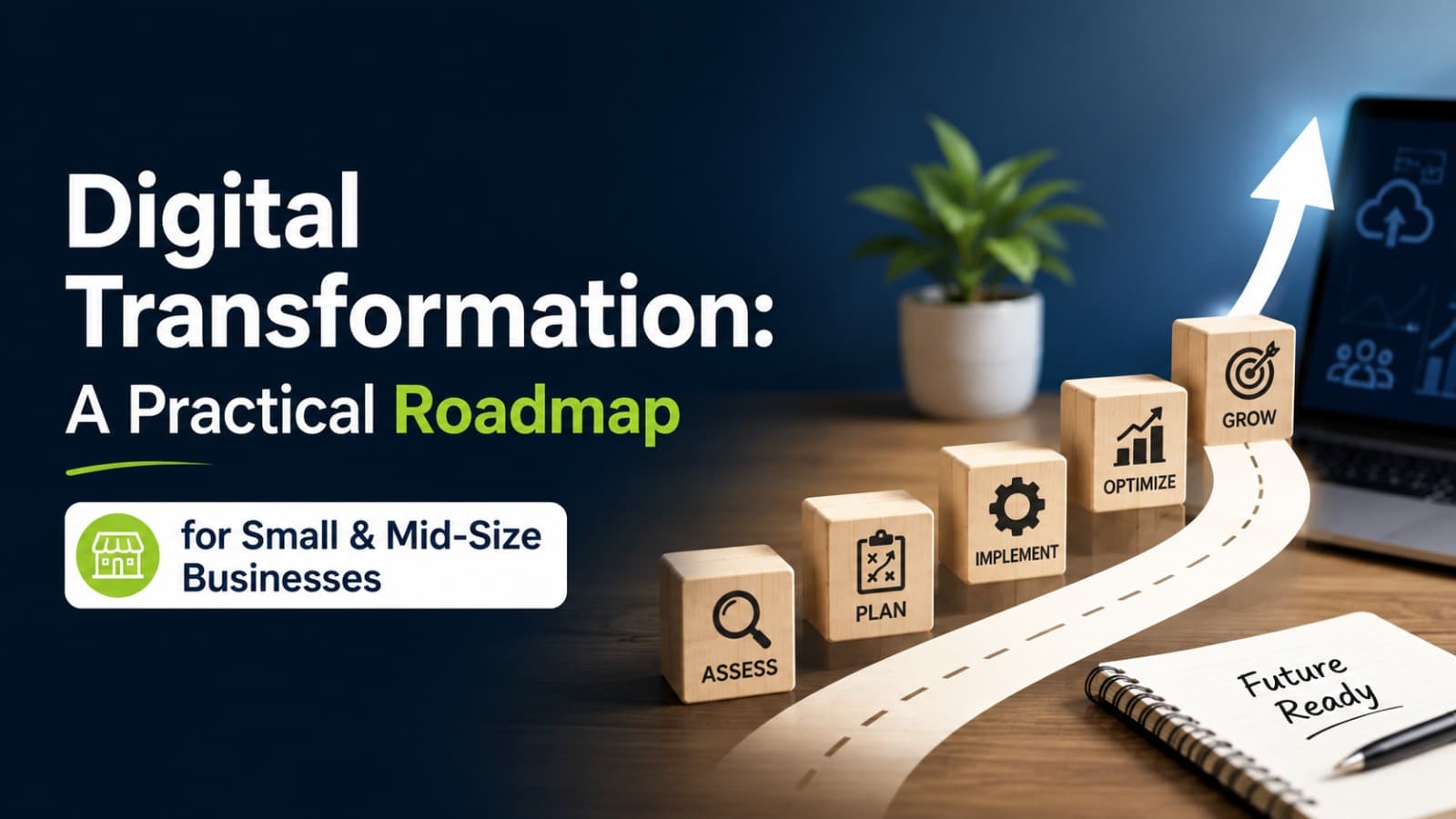
"Digital transformation" often gets pictured as a massive, expensive overhaul reserved for large enterprises - a complete system replacement happening all at once. For small and mid-size businesses, that picture is both inaccurate and unhelpful, since it makes a genuinely valuable process feel out of reach. In practice, effective digital transformation is usually phased, targeted, and built around real business priorities rather than technology for its own sake. This blog lays out a practical roadmap for small and mid-size businesses ready to modernize without the disruption that word often implies.
Start With a Clear-Eyed Assessment, Not a Wish List
Before choosing any new tools or systems, it's worth honestly mapping out where things currently stand:
- Which processes are still manual and time-consuming
- Where data lives, and how disconnected different systems are from each other
- Which parts of the business are held back by outdated tools versus which are working fine
This step matters because digital transformation isn't about replacing everything - it's about identifying where technology would actually move the needle for your specific business.
Phase 1: Fix the Foundation Before Adding Anything New
It's tempting to jump straight to exciting new tools, but a shaky foundation undermines everything built on top of it. Early priorities usually include:
- Consolidating scattered data into fewer, more connected systems
- Making sure core processes are documented and consistent, not dependent on informal workarounds
- Addressing any glaring gaps in security or data handling
Skipping this phase often means later transformation efforts sit on top of the same underlying problems, limiting how much value they can actually deliver.
Phase 2: Digitize the Processes Causing the Most Friction
Once the foundation is solid, the next phase focuses on the specific manual processes causing the most day-to-day friction - the tasks your team complains about most, or the ones most prone to error.
This is often where targeted AI automation delivers real, measurable value: automating repetitive tasks like data entry, scheduling, or basic customer inquiries, rather than attempting to automate everything simultaneously.
Phase 3: Connect Your Systems Properly
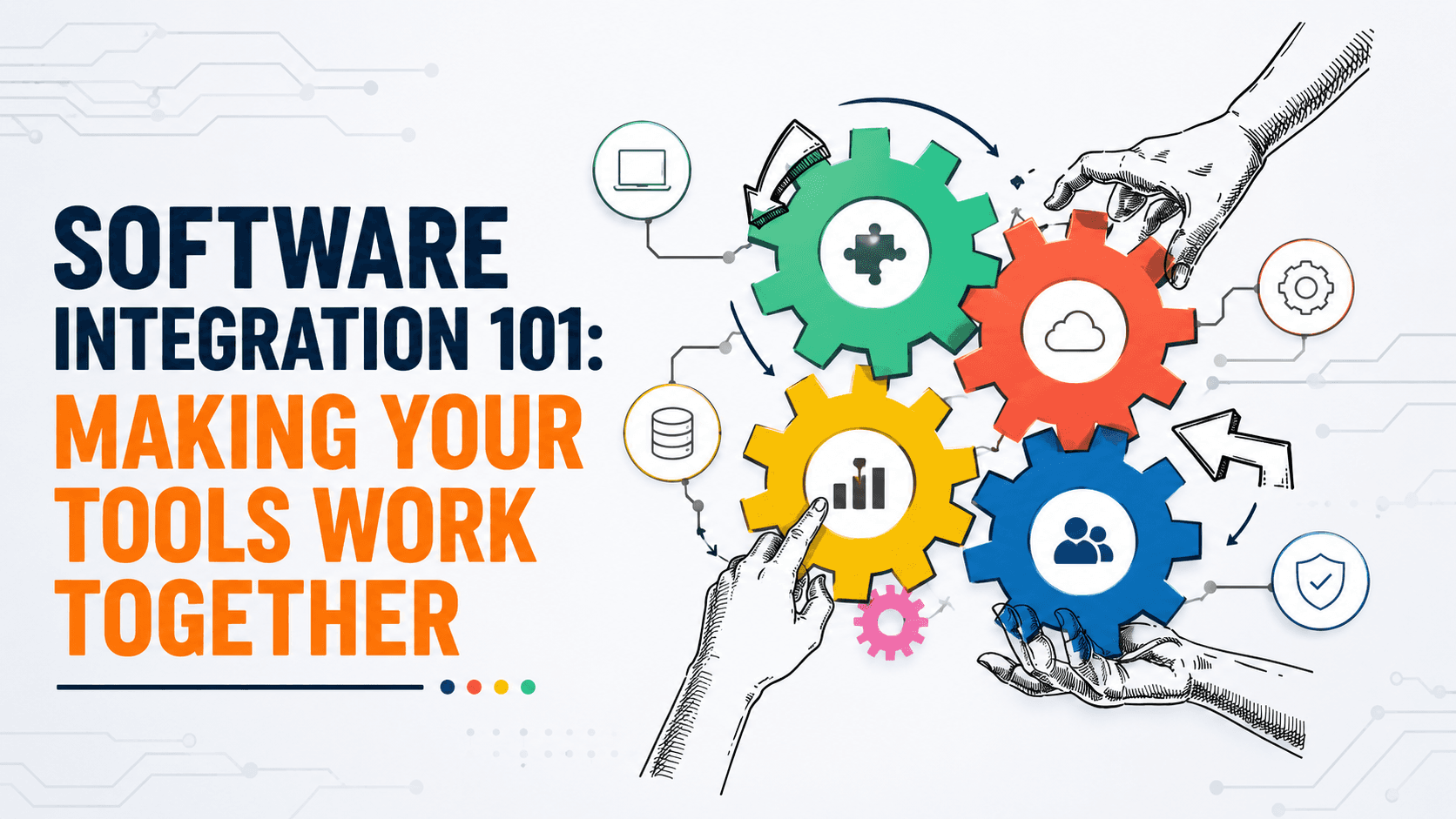
As individual processes get modernized, the next priority is making sure systems actually talk to each other. Disconnected tools - even good ones - create the same data silos and manual reconciliation problems that transformation is meant to solve.
This phase often benefits from proper software development to build reliable integrations between systems, rather than relying on fragile, manual workarounds between tools that were never designed to connect.
Phase 4: Improve the Customer-Facing Experience
With internal systems in better shape, attention often shifts to the customer-facing side - a more functional website, a smoother online ordering experience, or more responsive digital support. This is frequently where businesses invest in stronger web development, since a modernized backend has little impact if customers still interact with an outdated, clunky front end.
Phase 5: Extend to Mobile Where It Adds Real Value
For some businesses, mobile app development becomes relevant at this stage - particularly if frequent customer engagement, loyalty features, or on-the-go functionality would genuinely improve the experience. This isn't a universal next step; it's worth pursuing only where it solves a real need rather than following a general trend.
Phase 6: Build in Room to Keep Evolving
Digital transformation isn't a project with a finish line - it's an ongoing process as the business, its customers, and available technology continue to change. A well-planned roadmap builds in the flexibility to keep adapting, rather than treating transformation as a one-time initiative that's "done" after the first wave of changes.
Avoiding the Most Common Mistake: Technology Before Strategy
The businesses that struggle most with digital transformation often start by choosing tools first and figuring out the strategy later. Successful transformation flows the other way - clear business priorities first, then technology chosen specifically to support them.
Frequently Asked Questions
Does digital transformation always require a big budget?
Not necessarily. A phased approach lets businesses invest incrementally, prioritizing the changes that deliver the most value first rather than committing to a large budget all at once.
Where should a small business start with digital transformation?
Start with an honest assessment of current processes and pain points - the highest-friction manual tasks are usually the best early priority, not the flashiest new technology.
How long does a digital transformation roadmap typically take?
It varies significantly based on scope, but a phased approach generally spans months to a few years, since it's designed to evolve rather than finish all at once.
Is digital transformation only relevant for larger companies?
No - small and mid-size businesses often see meaningful, measurable benefits, especially since they can implement changes more quickly than larger, more complex organizations.
What's the biggest mistake businesses make with digital transformation?
Choosing tools or technology before clarifying business priorities is one of the most common mistakes - it often leads to solutions that don't actually address the real problem.
Ready to Build Your Own Transformation Roadmap?
Digital transformation works best as a series of deliberate steps, not a single overwhelming leap. At Weboraz, we help small and mid-size businesses map out exactly where to start and how to phase the rest, based on your actual priorities, not a generic checklist. With a hybrid US-India team spanning web development, software development, mobile app development, and AI automation, we build the roadmap and the systems to match.
Get a free digital transformation consultation from Weboraz and find out what your first phase should look like.
Frequently asked questions
Not necessarily. A phased approach lets businesses invest incrementally, prioritizing the changes that deliver the most value first rather than committing to a large budget all at once.
Start with an honest assessment of current processes and pain points - the highest-friction manual tasks are usually the best early priority, not the flashiest new technology.
It varies significantly based on scope, but a phased approach generally spans months to a few years, since it's designed to evolve rather than finish all at once.
No - small and mid-size businesses often see meaningful, measurable benefits, especially since they can implement changes more quickly than larger, more complex organizations.
Choosing tools or technology before clarifying business priorities is one of the most common mistakes - it often leads to solutions that don't actually address the real problem.
Related Articles
Need help applying this?
Our team can turn the ideas in this article into a clear plan and a polished build.
Contact Us