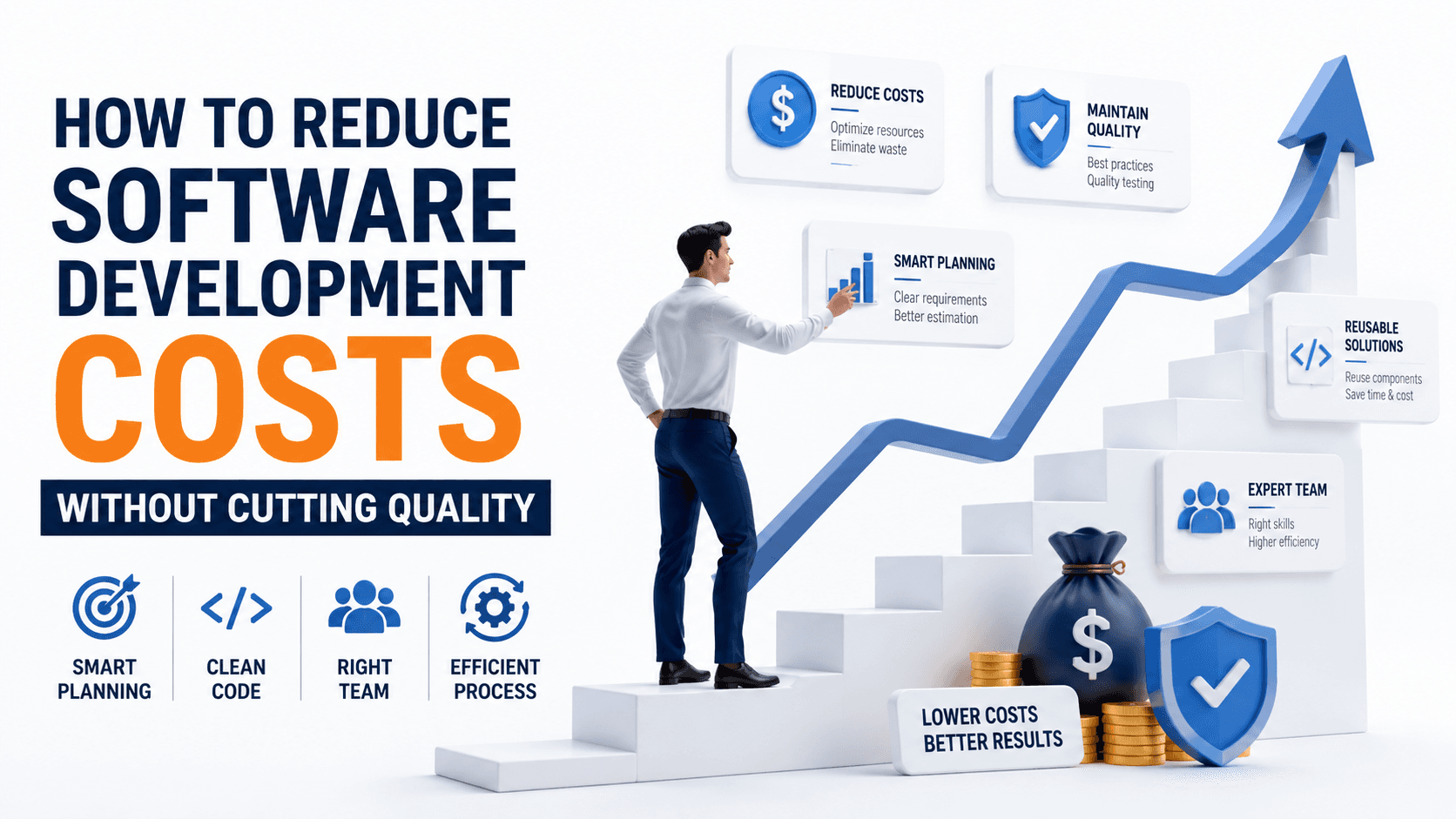
Every business wants to spend less on software development, but the instinct to cut costs often leads straight to cutting the wrong things - testing, planning, or experienced talent - which ends up costing more in rework later. Real cost reduction doesn't come from lowering standards; it comes from smarter decisions earlier in the process. This blog walks through practical ways to reduce software development costs without sacrificing the quality of what actually gets built.
Start With a Clear, Well-Scoped Requirements Document
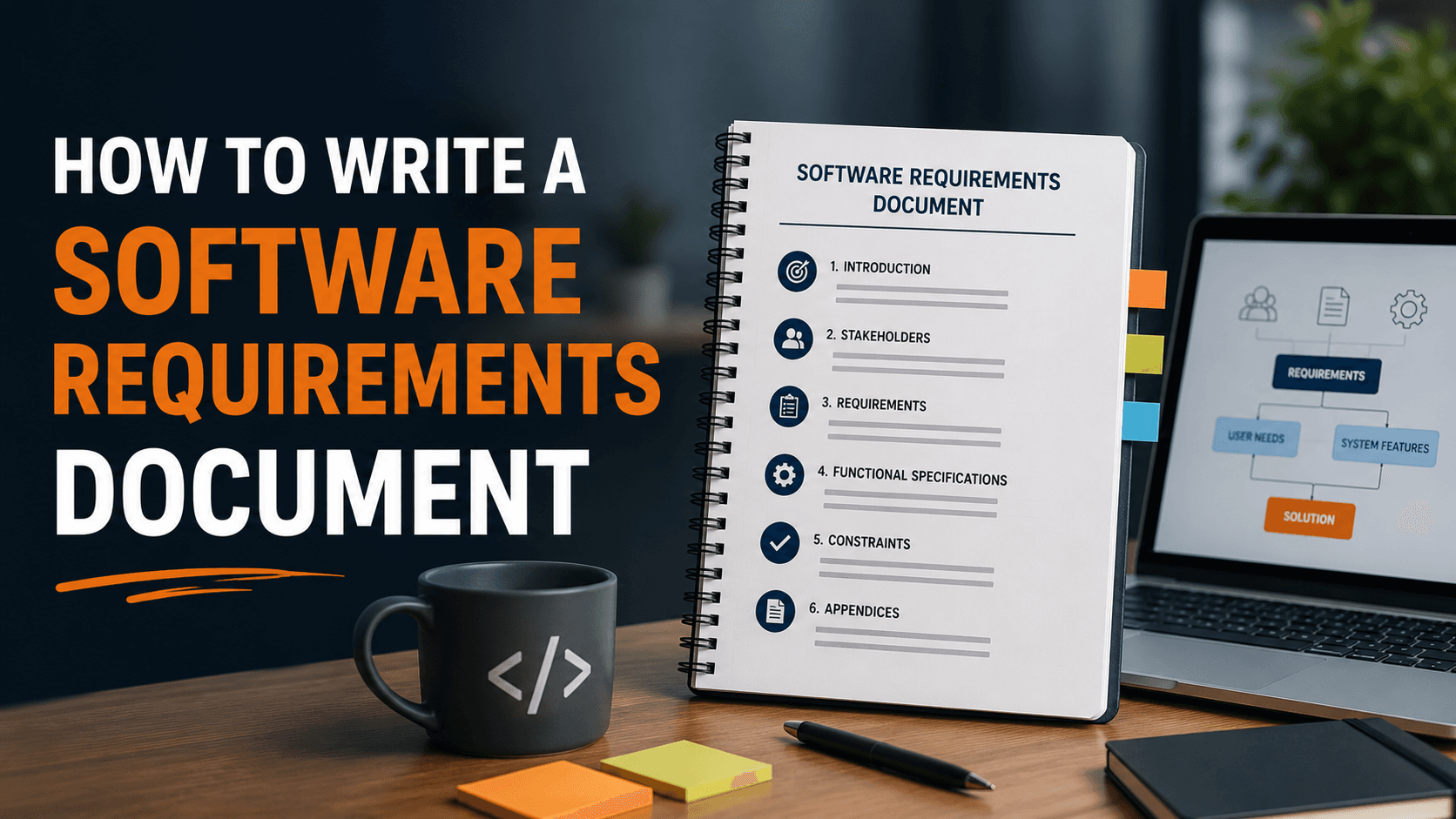
One of the most effective, and most overlooked, ways to control cost is investing time upfront in clear requirements. Vague or shifting requirements are one of the leading causes of budget overruns, since unclear scope leads to rework, miscommunication, and features built that don't actually match what the business needed.
A clear requirements document doesn't cost more to create - it prevents the far more expensive cost of building the wrong thing.
Prioritize an MVP Over a Full-Featured Build
Trying to build every feature at once significantly increases upfront cost, and often includes functionality that turns out to be unnecessary once real users are involved. Starting with a focused MVP reduces initial investment while validating what's actually worth building further, avoiding wasted spend on features nobody ends up using.
Avoid Scope Creep During Development
Adding new requests mid-project is one of the most common ways budgets quietly expand beyond the original estimate. This doesn't mean the business can't request changes - it means changes should be evaluated deliberately, with a clear understanding of their cost and timeline impact, rather than being absorbed informally without discussion.
Choose the Right Development Approach for Your Actual Needs
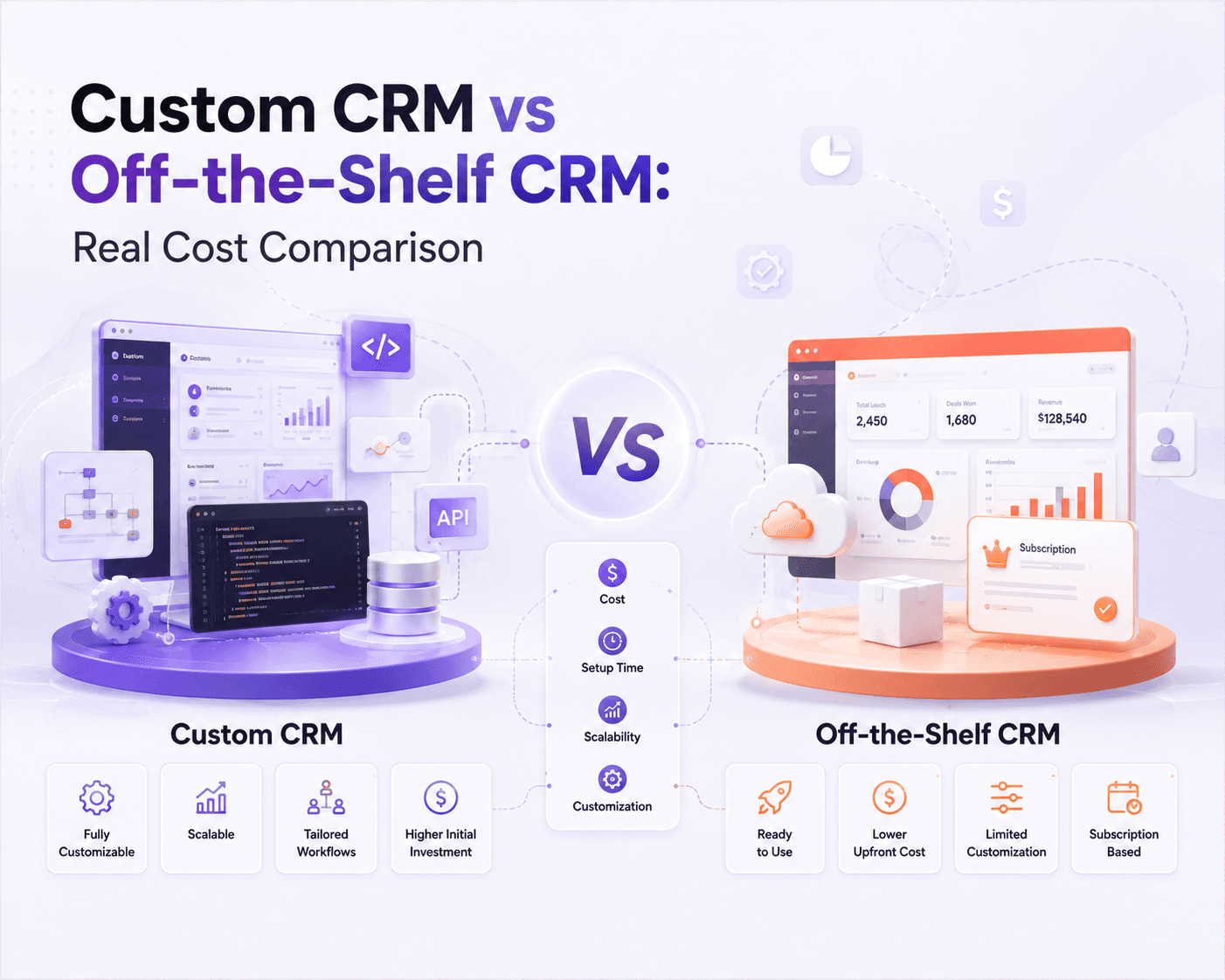
Overbuilding is a common, avoidable cost driver. Choosing native development when cross-platform would suffice, or building custom software when a well-configured off-the-shelf tool would meet the need, both add unnecessary cost. Matching the development approach to your actual requirements, rather than defaulting to the most robust option, is one of the more direct ways to control spend.
Invest in Planning and Architecture Early
It might seem counterintuitive, but spending more time on planning and technical architecture upfront often reduces total cost, since it prevents the expensive rework that comes from a poorly structured system needing to be significantly reworked later as the project grows.
Don't Skip Testing to Save Time
Cutting testing to hit a deadline or reduce cost is one of the costliest false economies in software development. Bugs caught after launch are typically far more expensive to fix than issues caught during development, both in direct cost and in the damage to user trust and business reputation.
Consider a Hybrid Development Model
A well-structured US-India hybrid development model can meaningfully reduce cost without lowering quality, since it takes advantage of cost differences across regions while maintaining shared standards, oversight, and communication practices across the entire team.
Reuse and Leverage Existing Components Where Sensible
Not every part of a custom software project needs to be built entirely from scratch. Leveraging well-tested existing libraries, frameworks, or components for standard functionality - while reserving custom development for the parts that genuinely differentiate your business - can meaningfully reduce cost without compromising the final product.
Communicate Clearly and Consistently Throughout the Project
Miscommunication is a frequently overlooked cost driver. Misunderstood requirements, delayed feedback, or unclear priorities all tend to create rework, which directly increases cost. Clear, consistent communication throughout a project is one of the simplest, lowest-cost ways to avoid unnecessary expense.
Think About Total Cost, Not Just the Initial Build
Choosing the cheapest option upfront doesn't always mean the lowest total cost. A poorly built, hard-to-maintain system often costs more over time through bug fixes, workarounds, and eventual rebuilding than a properly built system would have cost initially. Evaluating cost across the software's full lifecycle, not just the first invoice, tends to lead to smarter decisions.
Where AI Automation Can Reduce Long-Term Costs
Incorporating AI automation thoughtfully during development, rather than retrofitting it later, can reduce long-term operational costs by automating repetitive processes from the start, rather than requiring a separate, costlier integration project down the line.
Frequently Asked Questions
Does reducing software development costs always mean lower quality?
Not necessarily. Real savings often come from better planning, clearer requirements, and smarter scoping, rather than cutting corners on testing or experienced talent.
Is an MVP a good way to reduce upfront software costs?
Yes, in most cases. Starting with a focused MVP reduces initial investment while validating what's actually worth building further, avoiding wasted spend on unnecessary features.
Why does scope creep increase software development costs so significantly?
Unplanned additions mid-project disrupt timelines and require rework, since the original plan wasn't built to accommodate them, which tends to increase both cost and delivery time.
Can a hybrid development model reduce costs without lowering quality?
Yes, when structured properly. A well-run hybrid model maintains shared standards and oversight while taking advantage of cost differences across regions.
Is it cheaper to skip testing to reduce project cost?
No. Skipping testing often leads to costlier bugs and issues discovered after launch, which are typically more expensive to fix than catching them during development.
Ready to Build Smart, Not Just Cheap?
Real cost savings come from better decisions early in the process, not from cutting corners once development is underway. At Weboraz, we help you scope, plan, and build efficiently, without sacrificing the quality your software actually needs. With a hybrid US-India team spanning software development, web development, mobile app development, and AI automation, we deliver strong results at a cost structure that makes sense.
Get a free cost optimization consultation from Weboraz and find out where real savings exist for your project.