Building an online store sounds simple in theory - pick a platform, add some products, start selling. In practice, small businesses quickly discover there's a lot more involved once real decisions around payments, inventory, security, and customer experience enter the picture. This guide walks through everything that actually goes into e-commerce website development, so you can approach the process with a clear plan instead of learning each piece the hard way.
Start With a Clear Picture of What You're Selling
Before any development decisions, it helps to define the basics clearly:
- How many products will you list, and how often does that catalog change?
- Do you need variants like size, color, or custom options?
- Will you manage inventory yourself, or rely on a supplier or dropshipping model?
These answers shape almost every technical decision that follows, from platform choice to backend complexity.
Choosing the Right Platform Approach
Small businesses generally choose between a few different paths:
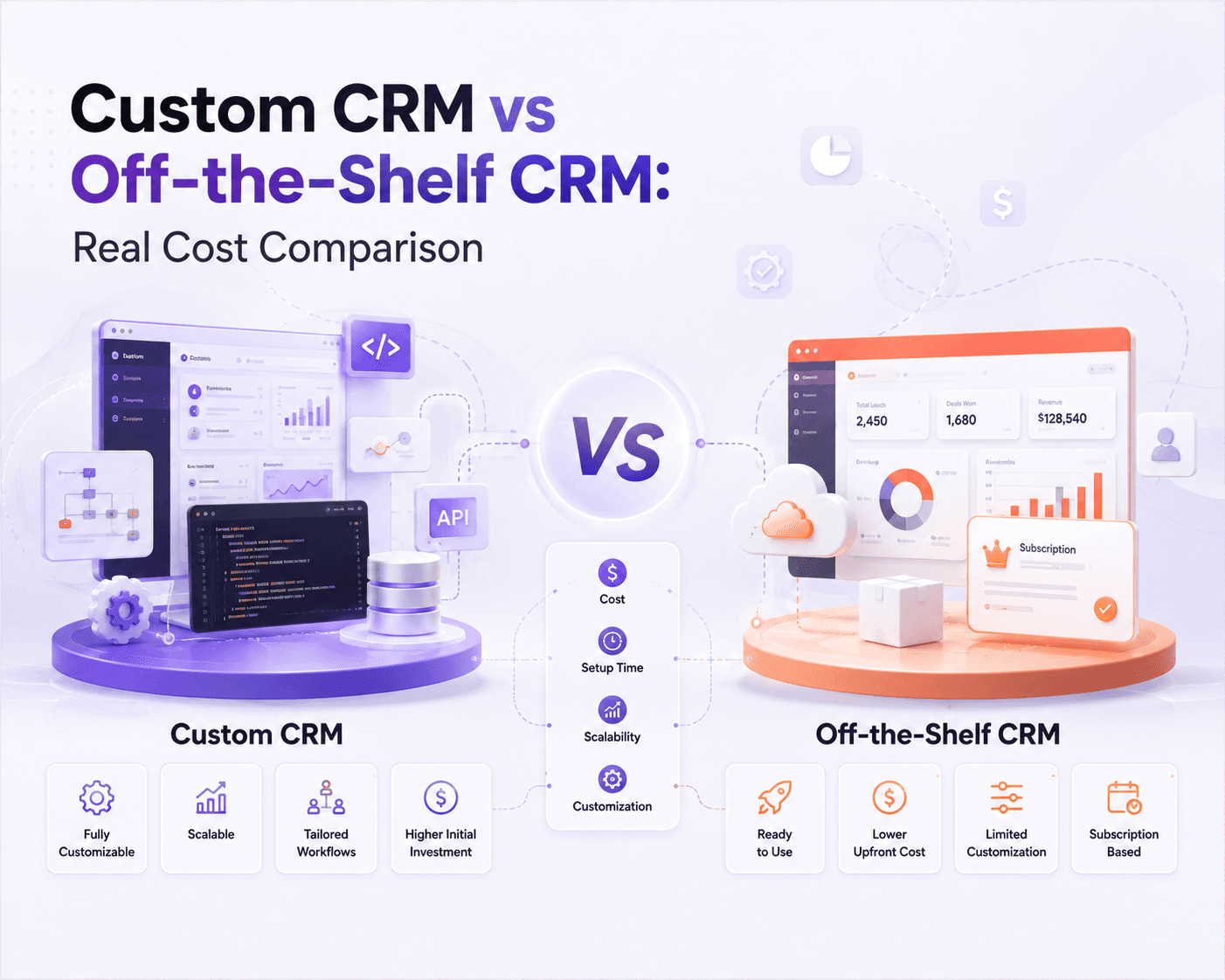
- Template-based e-commerce platforms - faster to launch, more limited customization
- Custom-built e-commerce sites - built around your specific catalog, workflows, and growth plans
- Hybrid approaches - a customized build on top of an existing e-commerce framework
The right choice depends on how standard your business needs are versus how much your operations differ from a typical store. Businesses with straightforward catalogs often do fine with template platforms, while those with unique inventory logic, pricing rules, or integrations tend to benefit more from custom software development.
Core Features Every E-commerce Site Needs
Regardless of platform, a functional online store generally requires:
- Product listings with clear images, descriptions, and pricing
- A shopping cart and checkout flow that feels simple and trustworthy
- Secure payment processing
- Order confirmation and tracking for customers
- An easy way to manage and update inventory
Skipping or under-building any of these tends to show up quickly in abandoned carts or customer complaints.
Payment Processing: Getting It Right the First Time
Payment setup is one of the most sensitive parts of e-commerce development, since it directly affects trust and security. Considerations include:
- Which payment methods your customers actually expect to use
- PCI compliance and secure handling of payment data
- Smooth integration with your chosen payment processor, without added friction at checkout
A clunky or untrustworthy-looking checkout is one of the fastest ways to lose a sale at the very last step.
Designing for Trust and Conversion
E-commerce design isn't just about looking good — it directly affects whether visitors complete a purchase. Key considerations include:
- Clear product photography and honest, detailed descriptions
- Visible trust signals like reviews, secure checkout badges, or clear return policies
- A mobile-friendly experience, since a large share of online shopping happens on phones
- Minimal steps between browsing and checkout, reducing friction at every stage
Inventory and Order Management Behind the Scenes
The customer-facing store is only half the picture. Behind it, businesses need reliable systems for:
- Tracking stock levels accurately, especially across multiple sales channels
- Managing order fulfillment and shipping updates
- Handling returns, refunds, and exchanges smoothly
Weak backend systems here often create problems that are invisible until the business starts scaling, at which point they become expensive to fix.
Security Considerations You Can't Skip
E-commerce sites handle sensitive customer data, making security a non-negotiable part of development, including:
- SSL encryption across the entire site, not just checkout
- Secure handling and storage of customer information
- Regular updates and monitoring to address vulnerabilities over time
Planning for Growth From the Start
An online store that works well for fifty orders a month can struggle at five hundred if it wasn't built with scalability in mind. Solid software development practices behind the storefront help ensure the site can handle growing traffic, inventory, and order volume without a costly rebuild down the line.
Where AI Automation Adds Value to an Online Store
Many growing e-commerce businesses use AI automation to handle tasks like personalized product recommendations, automated customer support for order questions, or smart inventory alerts - reducing manual work while improving the customer experience.
Don't Overlook Mobile Experience and Future App Potential
Since a significant share of online shopping happens on mobile devices, the site itself needs to perform well on smaller screens. Some businesses later expand into mobile app development as their customer base grows, particularly if repeat purchases and loyalty features would benefit from a dedicated app experience.
Frequently Asked Questions
Should a small business use a template platform or build a custom e-commerce site?
It depends on how standard your needs are. Template platforms work well for straightforward catalogs, while businesses with unique workflows or integrations often benefit more from a custom build.
What's the most commonly overlooked part of e-commerce development?
Backend inventory and order management is often underestimated - it works fine at a small scale but can create real problems as the business grows if it wasn't built to scale.
How important is mobile design for an e-commerce site?
Very important, since a large share of online shopping now happens on mobile devices - a store that doesn't perform well on phones risks losing a significant portion of potential sales.
Do I need a mobile app in addition to my e-commerce website?
Not necessarily at first. Many businesses start with a strong mobile-friendly website and consider a dedicated app later if repeat engagement or loyalty features would add real value.
What security measures are essential for an online store?
SSL encryption across the site, secure payment processing, and proper handling of customer data are essential baseline requirements, not optional add-ons.
Ready to Build Your Online Store the Right Way?
E-commerce development involves far more moving parts than most small businesses expect going in - and getting the foundation right matters more than launching fast. At Weboraz, we help you build an online store scoped correctly from day one, covering everything from platform choice to secure checkout to backend systems that scale. With a hybrid US-India team spanning web development, software development, and AI automation, we build stores designed to grow with your business.
Get a free e-commerce consultation from Weboraz and find out what your online store actually needs.