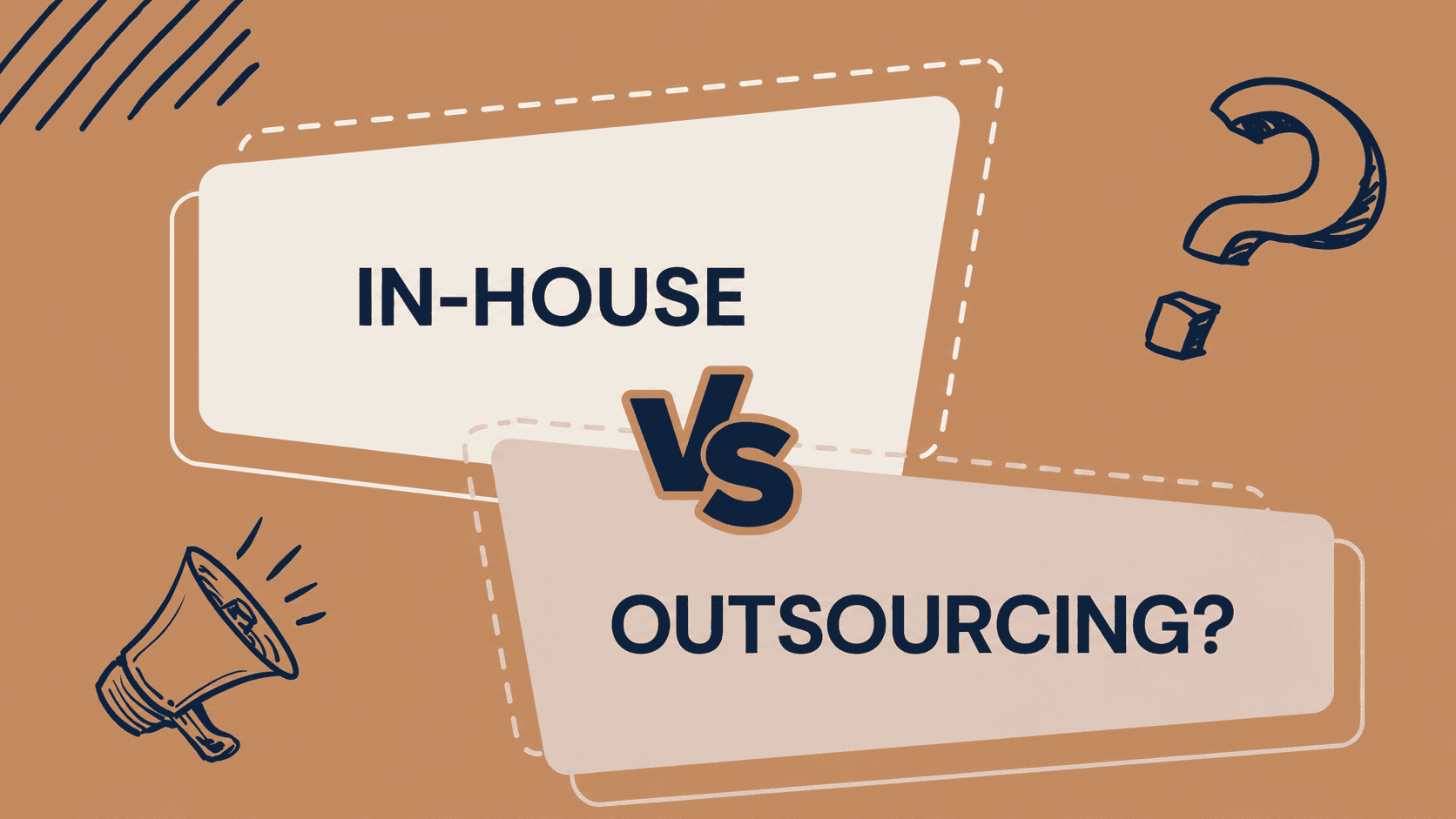
Deciding whether to build an in-house development team or outsource to an external partner is one of the most consequential structural decisions a business makes, shaping cost, control, and flexibility for years to come. Both approaches can deliver excellent results, but they involve genuinely different tradeoffs, and the right choice depends more on your specific situation than on which option sounds more established. This blog offers a full, honest comparison between in-house and outsourced development.
What In-House Development Actually Means
In-house development means hiring employees directly as part of your organization, giving your business dedicated, full-time technical resources embedded in the company itself.
Advantages:
- Deep, ongoing familiarity with your business, systems, and long-term goals
- Full control over daily priorities, direction, and pace of work
- No dependency on external availability or competing client commitments
- Easier real-time collaboration with other internal teams
Disadvantages:
- Significantly higher fixed costs, including salaries, benefits, and overhead
- Slower to scale up or down compared to external arrangements
- Requires internal technical leadership to manage effectively
- Hiring and onboarding takes meaningful time before productivity begins
What Outsourced Development Actually Means
Outsourced development means partnering with an external team or agency to handle development work, rather than building that capability internally.
Advantages:
- Access to a broader range of specialized skills without individual hires
- More cost-effective for many businesses, especially at smaller scale
- Flexibility to scale team size up or down based on project needs
- Faster access to expertise without a lengthy internal hiring process
Disadvantages:
- Requires deliberate communication structure to avoid coordination issues
- Less day-to-day, real-time control compared to an internal team
- Quality and reliability vary significantly depending on the partner chosen
- Requires careful vetting to avoid the common outsourcing pitfalls
Cost Comparison: More Than Just the Hourly Rate
In-house development involves fixed costs - salaries, benefits, equipment, office space - regardless of how much work is actively underway at any given time. Outsourced development typically ties cost more directly to actual project work, which can be more efficient for businesses without a constant, predictable volume of development needs.
For steady, ongoing technical work, in-house costs can average out favorably over time. For variable or project-based work, outsourcing often avoids paying for idle capacity between projects.
Speed and Flexibility Differences
Outsourced teams, particularly established ones, can often scale up quickly to meet a specific project's needs, then scale back down once it's complete. In-house teams offer more consistent, immediate availability once established, but take considerably longer to scale, since hiring and onboarding aren't instantaneous.
Control and Communication
In-house teams offer the most direct, real-time control, since they're embedded in daily operations and immediately accessible. Outsourced teams require more deliberate communication structures - clear reporting cadences, defined points of contact - to achieve a similar level of alignment, though a well-structured outsourced partner can come close to matching in-house responsiveness.
Quality Consistency
In-house quality depends heavily on who you hire and how well you manage them internally. Outsourced quality depends heavily on vetting the right partner and how well-established their internal processes and standards are - a strong outsourced team with solid software development practices can match or exceed inconsistent in-house quality, and vice versa.
When In-House Development Makes the Most Sense
In-house development tends to be the stronger choice when:
- Technical work is core, ongoing, and central to your business long-term
- You have consistent, predictable development needs that justify full-time roles
- Deep, continuous familiarity with your systems provides significant ongoing value
- Budget supports the fixed cost of full-time technical staff
When Outsourced Development Makes the Most Sense
Outsourcing tends to be the stronger choice when:
- Development needs are project-based or fluctuate significantly over time
- You need specialized skills, like mobile app development or AI automation, without a full-time hire
- Budget favors avoiding the fixed overhead of in-house salaries and benefits
- You need to move faster than an internal hiring process would allow
Why Many Businesses Use a Hybrid Approach
Rather than choosing exclusively one path, many businesses combine both - maintaining a small in-house team for core, ongoing priorities while using outsourced partners, including hybrid US-India teams, for specialized projects or to supplement capacity during busy periods.
How the Right Structure Can Evolve Over Time
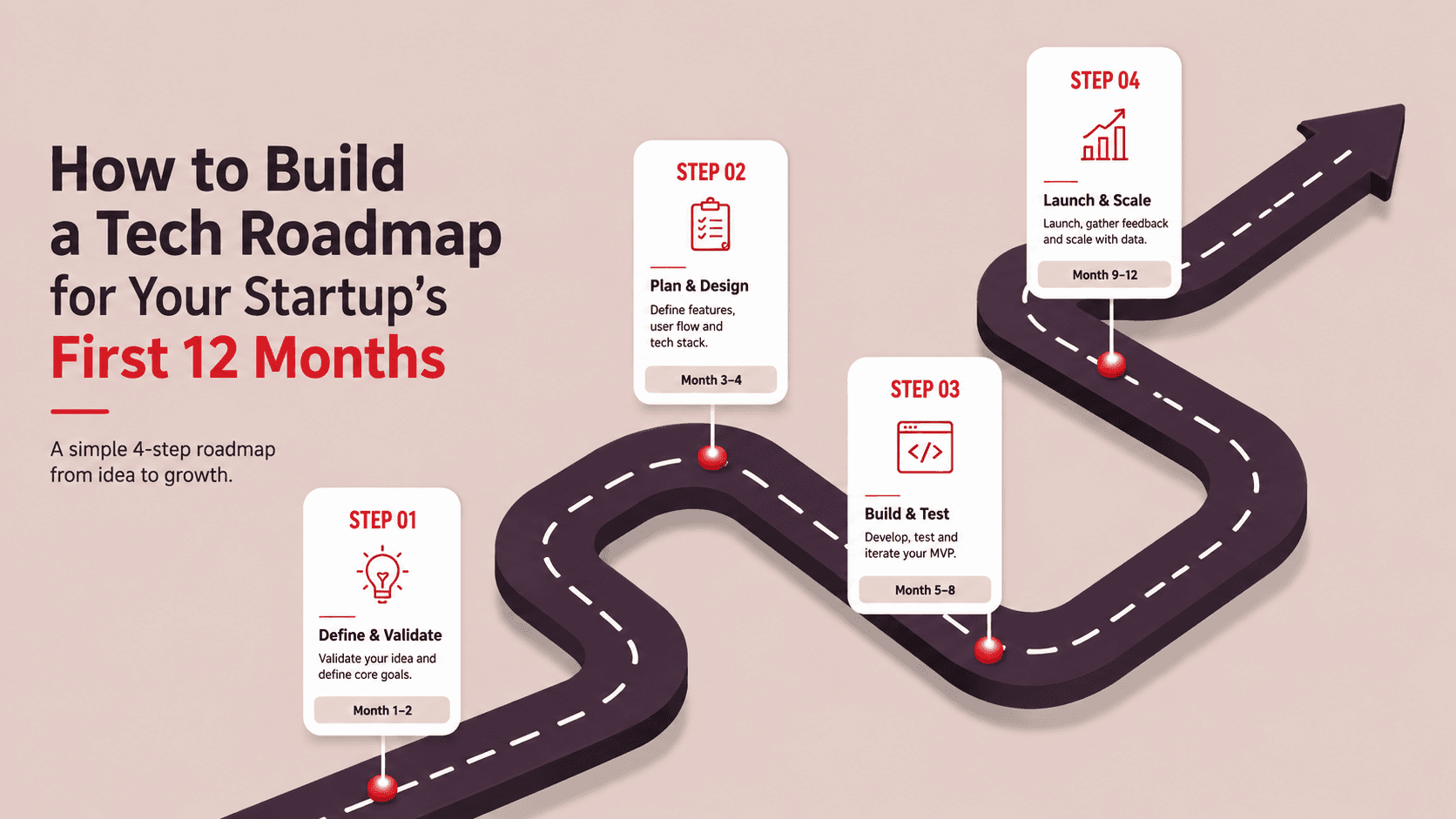
The right choice isn't necessarily permanent. Many businesses start with outsourced development while validating their product, then gradually build in-house capacity as technical needs become more consistent, central, and substantial enough to justify full-time hires.
Frequently Asked Questions
Is outsourced development lower quality than in-house development?
Not inherently. Quality depends far more on the specific team or partner's processes and experience than on whether the work is in-house or outsourced.
Is in-house development always more expensive than outsourcing?
Generally for variable or project-based work, yes, due to fixed salary and overhead costs. For steady, high-volume ongoing needs, in-house costs can average out more favorably over time.
Can a business switch between in-house and outsourced models over time?
Yes, and many do - often starting with outsourced development, then building in-house capacity later as technical needs become more consistent and central to the business.
Does outsourced development mean less control over the project?
It requires more deliberate communication and reporting structure to maintain strong alignment, but a well-structured outsourced partner can offer control and responsiveness close to an in-house team.
Is a hybrid approach of in-house and outsourced development common?
Yes, many businesses combine both, using in-house teams for core ongoing priorities and outsourced partners for specialized projects or additional capacity.
Ready to Find the Right Structure for Your Business?
In-house versus outsourced isn't about which is objectively better - it's about which structure fits your project, budget, and long-term technical needs. At Weboraz, we help you think through this honestly, based on your actual situation, not a one-size-fits-all recommendation. With a hybrid US-India team spanning software development, web development, mobile app development, and AI automation, we offer the flexibility of outsourcing with the reliability many businesses associate with in-house teams.
Get a free consultation with Weboraz and find out what team structure fits your project best.