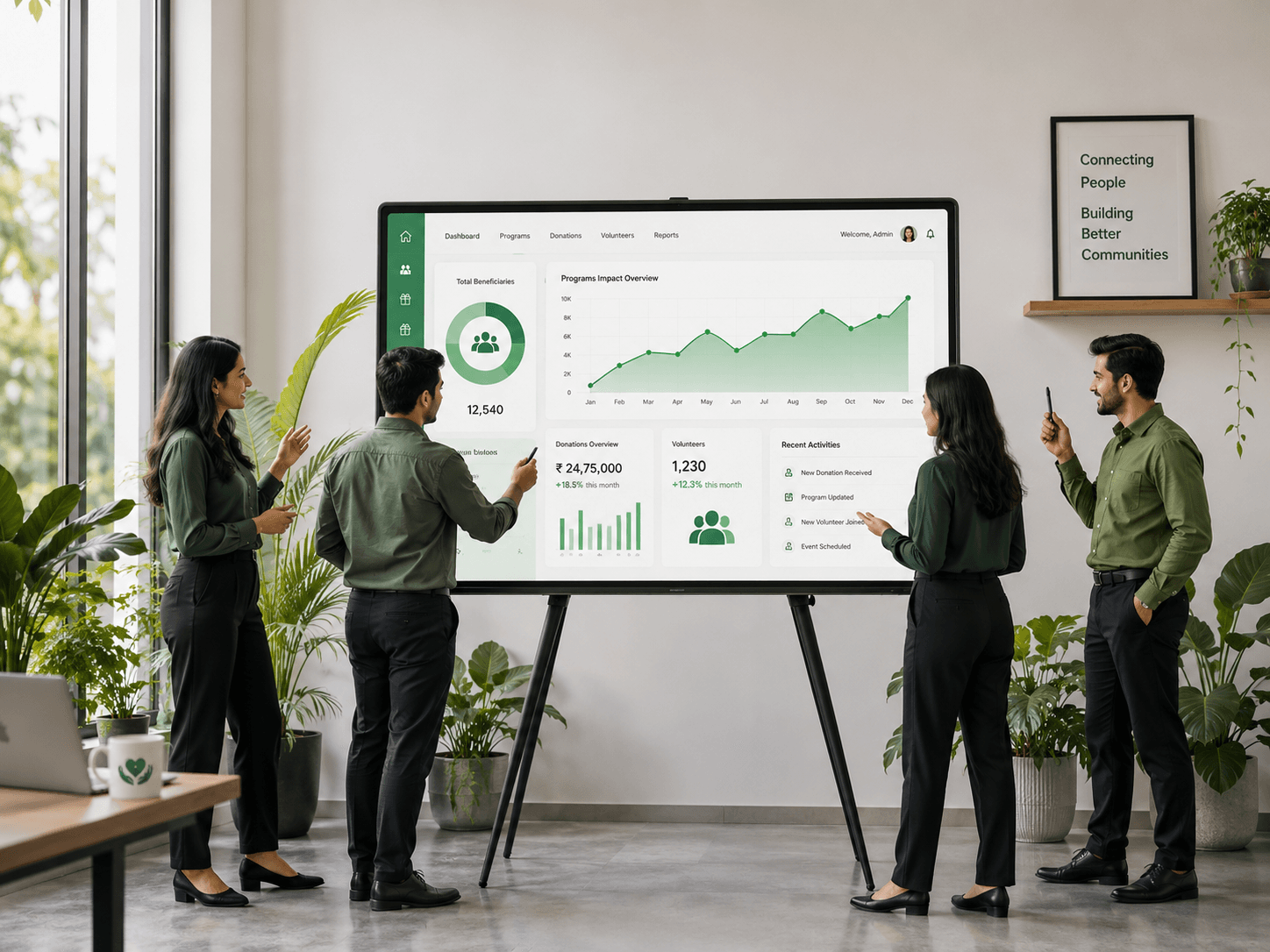
Most nonprofits follow a similar software path: spreadsheets in the early years, then a move to a generic donor management platform like Salesforce Nonprofit Cloud once gift volume and reporting needs outgrow manual tracking. That platform genuinely solves the initial problem, but organizations with specific program structures, grant reporting requirements, or multi-channel fundraising strategies often eventually find themselves working around its limitations rather than within them. This blog looks at what custom nonprofit and donor management software development actually involves, and when it makes sense to move beyond a generic platform.
Why Generic Donor Platforms Are the Right Early Choice
For most nonprofits, starting with an established donor management platform makes real sense:
- Fast implementation without building fundraising infrastructure from scratch
- Built-in tools for gift tracking, tax receipts, and basic donor communication already tested and working
- Established integrations with common payment processors and email tools
- Lower upfront cost, with pricing often scaled for nonprofit budgets
At smaller scale, these platforms genuinely serve most organizations well.
Where Generic Platforms Start to Show Limits
As an organization's programs, funding sources, and reporting requirements grow more complex, common friction points tend to appear:
- Grant reporting requirements that don't map cleanly onto the platform's standard reporting structure
- Program-specific data — service delivery, outcomes tracking — that a donor-focused platform wasn't built to handle
- Multi-channel fundraising (events, peer-to-peer, major gifts, recurring giving) requiring workarounds to unify in one view
- Rising per-user or per-record costs as the organization and donor base grow
- Limited customization for how your specific organization actually structures campaigns or donor segments
What Custom Donor Management Software Actually Involves
Through dedicated Custom Software Development, a donor and fundraising platform can be architected specifically around your organization's actual programs, funding sources, and reporting needs, rather than adapted from a generic nonprofit CRM template. This typically includes:
- Donor and gift tracking structured around your actual campaign and program categories
- Grant reporting logic built around your specific funders' requirements, not a generic export
- Program and outcomes data connected to donor and funding records, giving a full picture of impact per dollar raised
- Custom donor segmentation reflecting how your organization actually thinks about supporter relationships
Grant Reporting: Where Generic Platforms Often Fall Shortest
Grant-funded organizations frequently cite grant reporting as one of the most painful gaps in generic donor platforms, since funders often require specific, non-standard reporting formats tied to program outcomes, not just gift amounts. Custom development allows this reporting logic to be built directly into the system, reducing the manual compilation work that otherwise falls on program or development staff every reporting cycle.
Multi-Channel Fundraising Unified in One View
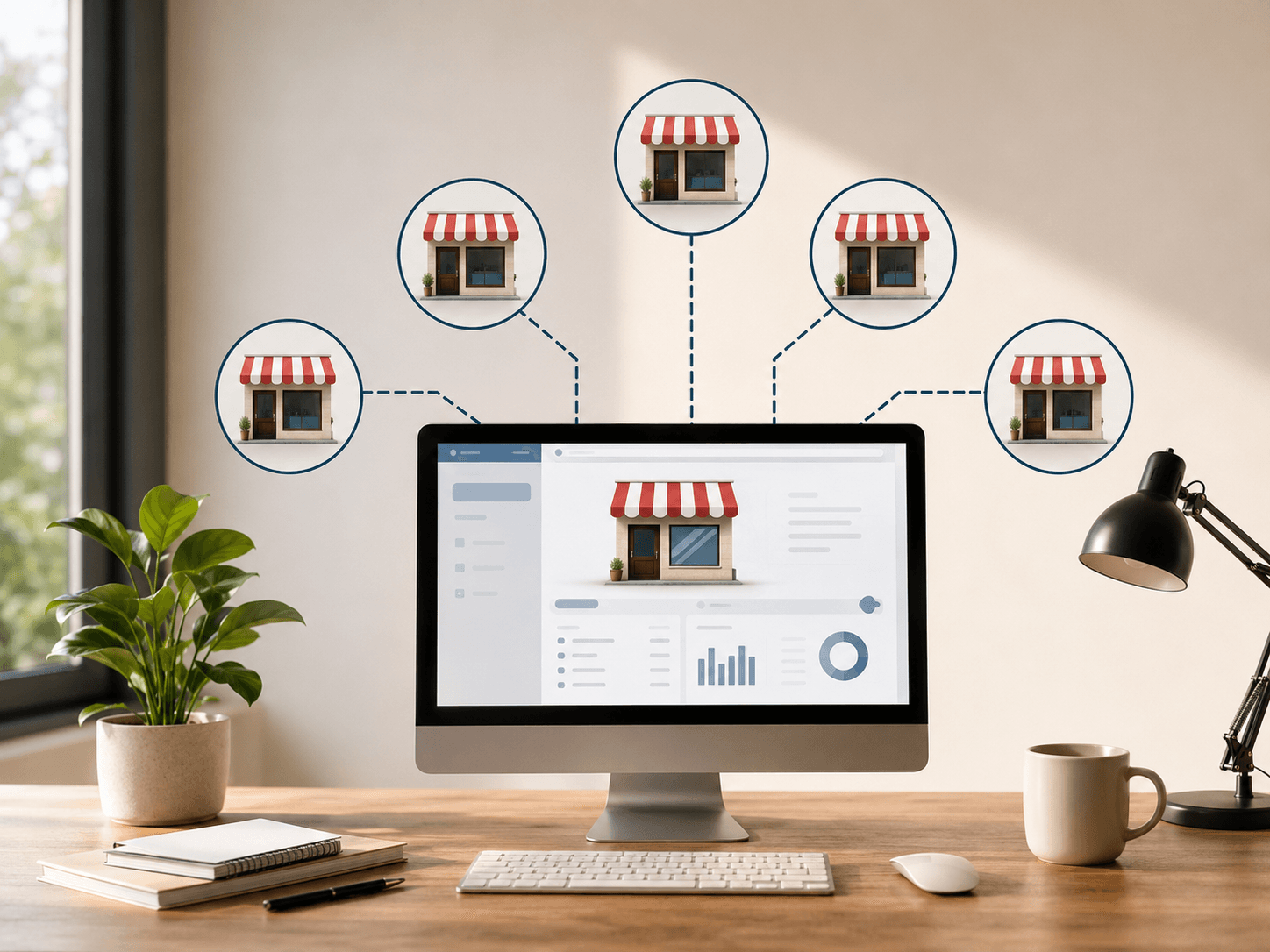
Nonprofits increasingly fundraise across several distinct channels — annual campaigns, peer-to-peer fundraising, events, recurring giving, major gifts — each of which may currently live in a separate tool or spreadsheet. Custom development can unify this into a single donor view, so a supporter's full giving history and engagement across every channel is visible in one place, rather than requiring staff to check multiple disconnected systems to understand a donor's full relationship with the organization.
Where AI Adds Value for Fundraising Teams
Nonprofits generate substantial donor behavior and engagement data, making them well suited to AI Automation, including:
- Donor retention risk flagging, identifying supporters whose engagement is dropping before they lapse
- Predictive giving capacity insights, helping development teams prioritize outreach
- Automated, personalized donor communication based on giving history and stated interests
- Campaign performance analysis surfacing which channels and messages are actually driving results
Integration With Payment Processing and Communication Tools
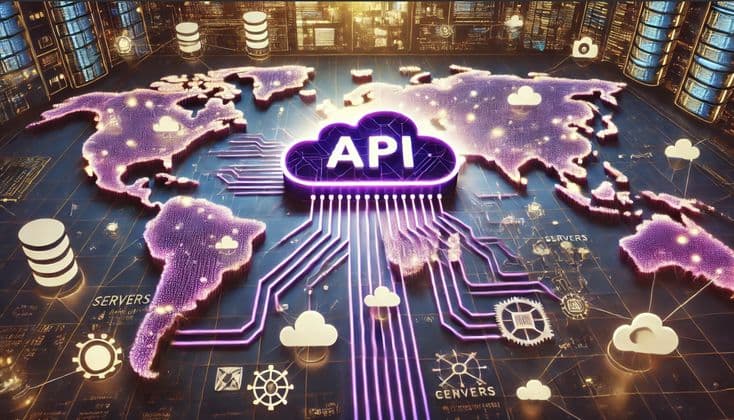
Most nonprofits already rely on specific payment processors, email platforms, or event tools, and the goal of custom development usually isn't replacing all of them at once. Through API Integration, these existing tools can connect to a centralized donor system, keeping gift and engagement data synchronized without requiring staff to manually reconcile data across separate platforms.
Security and Compliance Considerations for Donor Data
Donor management software handles sensitive personal and financial information, making secure architecture and relevant data protection requirements a foundational part of development, including encrypted storage of payment and personal information, and access controls appropriate for an organization where staff, volunteers, and board members may need different levels of visibility.
Mobile Access for Development Staff and Event Fundraising
Development staff often need donor information away from a desk — at an event, during a donor visit, or while traveling for major gift cultivation. Through Mobile App Development, mobile access to donor records and gift entry can support fundraising activity that happens outside the office, including on-site event registration and giving.
Making the Case for Custom Nonprofit Software
Custom development tends to deliver the strongest value when:
- Grant reporting requirements consistently require manual workarounds within your current platform
- Multi-channel fundraising data lives in disconnected tools that don't give a unified donor view
- Per-record or per-user platform costs have become significant relative to your organization's budget
- Program outcomes data needs to connect meaningfully to donor and funding records
For smaller nonprofits with straightforward fundraising and reporting needs, an established donor management platform typically remains the more practical and cost-effective choice.
Related Services
- Custom Software Development - architecting donor and fundraising systems around your organization's actual programs
- AI Automation - powering retention risk flagging, giving capacity insights, and personalized outreach
- API Integration - connecting payment processors and communication tools to a centralized donor system
- Mobile App Development - extending donor access to development staff in the field or at events
Related Blogs
- Software Integration 101: Making Your Tools Work Together
- Enterprise Software vs SaaS: Making the Right Choice for Scale
Frequently Asked Questions
Why do nonprofits outgrow platforms like Salesforce Nonprofit Cloud?
Generic donor platforms handle standard gift tracking well, but organizations with specific grant reporting requirements, multi-channel fundraising, or program outcomes tracking often find themselves working around the platform's standard structure as needs grow more complex.
Can custom donor software handle specific grant reporting requirements?
Yes, and this is often one of the strongest reasons grant-funded organizations move to custom development, since reporting logic can be built directly around specific funders' requirements rather than a generic export format.
How does custom software unify multi-channel fundraising data?
It brings donor and gift data from events, recurring giving, peer-to-peer campaigns, and major gifts into a single view, rather than requiring staff to check separate tools for each channel.
Is custom nonprofit software only worth it for large organizations?
Not necessarily. It tends to make sense once grant reporting, multi-channel fundraising complexity, or platform costs create a genuine burden relative to the organization's size and budget, which can happen at a fairly modest scale.
What security considerations apply to donor management software?
Encrypted storage of payment and personal donor information, along with role-based access for staff, volunteers, and board members, are foundational requirements given the sensitivity of the data involved.
Considering Custom Software for Your Nonprofit?
If grant reporting, multi-channel fundraising data, or platform costs have become a genuine burden on your team, that's usually a sign it's worth evaluating what a custom-built system would solve. Weboraz builds donor and fundraising platforms architected around your organization's actual programs and funding relationships, with security and integration built in from the start. Contact Us to talk through what a system built for your organization would involve.
Frequently asked questions
Generic donor platforms handle standard gift tracking well, but organizations with specific grant reporting requirements, multi-channel fundraising, or program outcomes tracking often find themselves working around the platform's standard structure as needs grow more complex.
Yes, and this is often one of the strongest reasons grant-funded organizations move to custom development, since reporting logic can be built directly around specific funders' requirements rather than a generic export format.
It brings donor and gift data from events, recurring giving, peer-to-peer campaigns, and major gifts into a single view, rather than requiring staff to check separate tools for each channel.
Not necessarily. It tends to make sense once grant reporting, multi-channel fundraising complexity, or platform costs create a genuine burden relative to the organization's size and budget, which can happen at a fairly modest scale.
Encrypted storage of payment and personal donor information, along with role-based access for staff, volunteers, and board members, are foundational requirements given the sensitivity of the data involved.
Related Articles

Need help applying this?
Our team can turn the ideas in this article into a clear plan and a polished build.
Contact Us