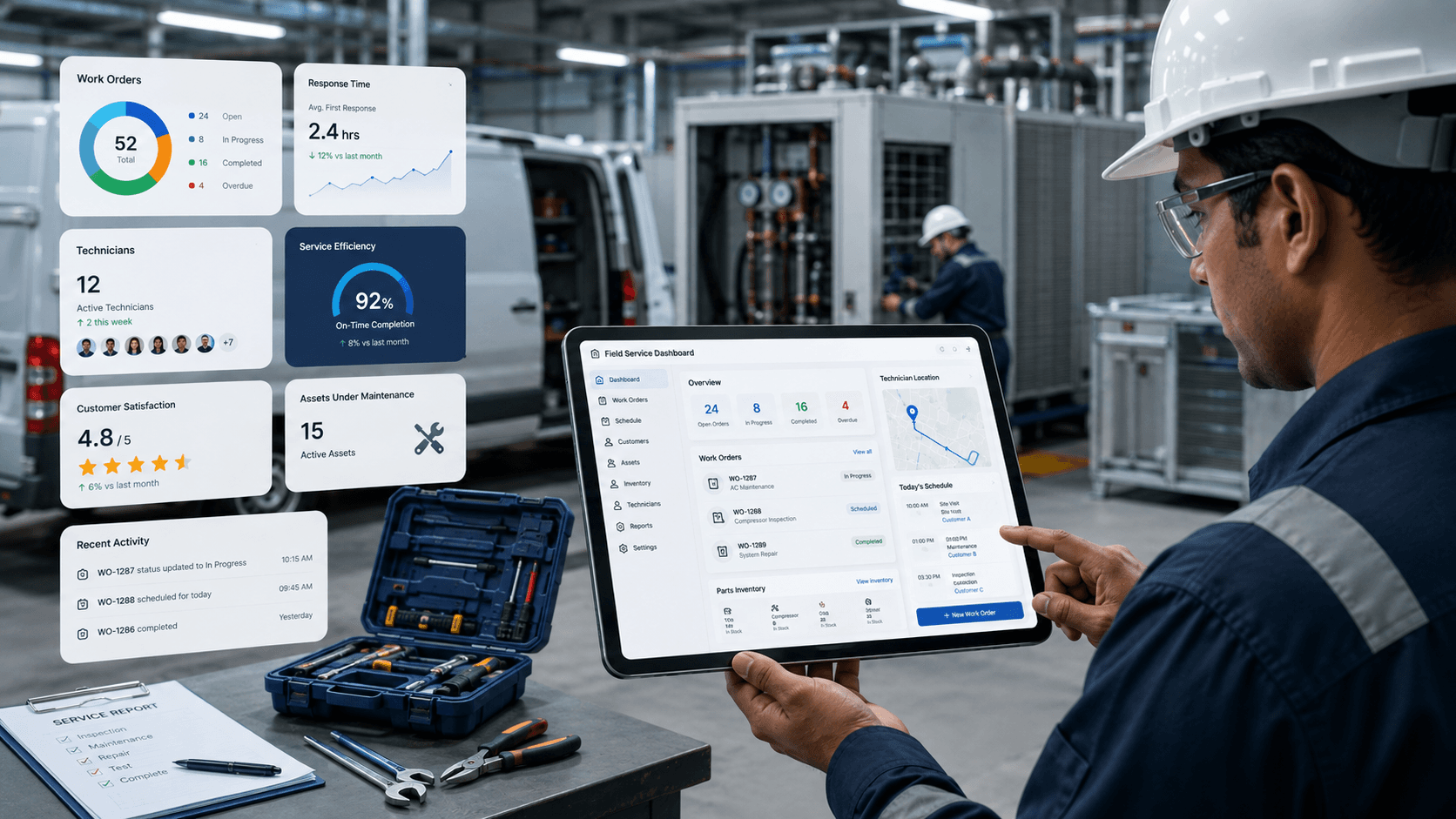
HVAC companies, utilities, home service businesses, and maintenance operations all share a common operational reality: work happens away from an office, technicians need to be scheduled and dispatched efficiently, and every missed appointment or inefficient route costs real money. Off-the-shelf field service management tools cover the basics, but many mid-size service businesses eventually find themselves paying steep fees for a platform that still doesn't quite match how their specific operation actually runs. This blog looks at what custom FSM software development actually involves, and when it makes more sense than continuing to work around a rigid SaaS tool.
Why Generic FSM Platforms Often Fall Short
Established field service management SaaS tools serve a broad range of industries, which means their default workflows represent a general approximation rather than any specific business's actual process. Common friction points include:
- Scheduling logic that doesn't account for your specific technician skillsets, territories, or job complexity
- Rigid workflows for quoting, invoicing, or job completion that don't match how your team actually operates
- Per-technician pricing that becomes expensive as your workforce grows
- Limited or costly customization for industry-specific requirements, like specialized HVAC certifications or utility compliance needs
For businesses with fairly standard scheduling and dispatch needs, these platforms can work well. For businesses with more specific operational logic, the gap between what the platform offers and what the business actually needs tends to widen as the operation scales.
What Field Service Software Actually Needs to Handle
At its core, FSM software needs to coordinate the full lifecycle of a service job, typically including:
- Scheduling and dispatch, matching the right technician to the right job based on skill, location, and availability
- Real-time job status tracking, from assignment through completion
- Quoting, invoicing, and payment collection, often directly from the field
- Inventory and parts tracking, so technicians know what's available before heading to a job
- Customer communication, including appointment confirmations and arrival notifications
The complexity isn't in any single piece - it's in how well the system reflects your specific service business's actual workflow, technician structure, and customer expectations.
Custom Scheduling and Dispatch Logic
Through dedicated Custom Software Development, scheduling logic can be built around your business's actual constraints - technician certifications, service territories, job complexity, and real-time availability - rather than a generic dispatch algorithm designed to work reasonably well across many different industries. This typically includes:
- Skill-based and certification-aware technician matching, particularly important for regulated trades
- Route optimization tuned to your actual service area and job density
- Emergency or priority job handling logic specific to how your business defines urgency
- Automated rescheduling logic when jobs run long or technicians become unavailable
Mobile Access Is the Core of Field Service Software
Field service work happens almost entirely away from a desk, which makes Mobile App Development central to any FSM build, not an optional add-on. A well-built technician mobile experience typically includes:
- Job details, customer history, and equipment notes available offline when connectivity is unreliable
- The ability to update job status, capture signatures, and process payments directly from the field
- Photo and documentation capture tied directly to the specific job record
- Real-time location sharing so dispatchers and customers know when a technician is en route
Generic FSM tools offer mobile apps too, but a custom build allows the mobile experience to match exactly how your technicians actually work in the field.
Where AI Adds Value in Field Service Operations
Field service generates substantial operational data - job history, technician performance, service patterns - which makes it well suited to AI Automation, including:
- Predictive scheduling that anticipates job duration more accurately based on historical data
- Smart dispatch that factors in real-time traffic, technician location, and job priority simultaneously
- Predictive maintenance alerts for customers based on equipment service history
- Automated customer communication, including arrival windows and follow-up service reminders
These capabilities go beyond what most generic FSM tools offer as standard features, particularly when tuned to your specific service patterns and customer base.
Integration With Existing Business Systems
Service businesses typically already run accounting software, CRM tools, or industry-specific systems for compliance and inventory. A meaningful part of custom FSM development is building integrations that let these systems share data accurately, rather than requiring manual reconciliation between disconnected tools - often the real difference between a system that becomes a genuine operational hub and one that just adds another screen to check.
Industry-Specific Requirements Generic Tools Often Miss
Different service industries carry their own specific operational and compliance requirements that generic FSM platforms handle only loosely:
- HVAC businesses often need certification tracking and equipment-specific service history
- Utilities frequently require detailed compliance documentation and safety protocol tracking
- Home service businesses often need flexible, customer-facing scheduling and communication tools
- Maintenance operations typically need preventive maintenance scheduling tied to specific equipment lifecycles
A custom build allows these industry-specific requirements to be built directly into the core workflow, rather than approximated through generic fields and workarounds.
Making the Case for Custom FSM Development
Custom field service software tends to deliver the strongest value when:
- Your scheduling, dispatch, or compliance needs diverge meaningfully from what generic FSM platforms assume
- Per-technician licensing costs are becoming significant as your workforce grows
- You're already paying for expensive customization or workarounds on an existing platform
- Industry-specific requirements aren't well supported by a generic tool's standard feature set
For businesses with fairly standard scheduling needs and a smaller technician workforce, an established FSM platform may remain the more practical and cost-effective choice.
Related Services
- Custom Software Development - architecting scheduling, dispatch, and workflow logic around your actual operations
- AI Automation - powering predictive scheduling, smart dispatch, and automated customer communication
- Mobile App Development - building the field-ready technician app at the core of FSM software
- Web Development - building the dispatcher dashboards and customer-facing booking interfaces
Related Blogs
- Software Integration 101: Making Your Tools Work Together
- Enterprise Software vs SaaS: Making the Right Choice for Scale
- SaaS vs Custom Software: A Decision Framework
Frequently Asked Questions
Why do service businesses outgrow generic FSM SaaS platforms?
Generic platforms are built to serve a broad range of industries, so businesses with specific scheduling logic, certification requirements, or compliance needs often end up paying for workarounds that a custom build would handle natively.
Is mobile access really the most important part of FSM software?
Yes, in most cases. Since field service work happens almost entirely away from a desk, the technician mobile experience is central to whether the system actually works well in daily use, not a secondary feature.
How does AI automation improve field service management specifically?
It can power more accurate predictive scheduling, smarter dispatch decisions factoring in real-time conditions, and automated customer communication, using your business's actual operational data rather than generic assumptions.
Can custom FSM software handle industry-specific compliance requirements, like utility safety protocols?
Yes, and this is often one of the strongest reasons businesses in regulated trades choose custom development, since these requirements can be built directly into the core workflow rather than approximated through generic fields.
Is custom field service software only worth it for large service businesses?
Not necessarily. It tends to make sense once per-technician licensing costs, workaround expenses, or industry-specific requirements outweigh the convenience of a generic platform, regardless of company size.
Ready to Replace a Rigid FSM Tool?
If your team is paying steep per-technician fees for an FSM platform that still doesn't match your actual scheduling, dispatch, or compliance needs, that's usually a sign it's worth evaluating a custom build. Weboraz architects field service software around your specific technician workforce, service territories, and industry requirements, with mobile access built in from the start. Contact Us to talk through what an FSM system built for your actual operation would involve.
Frequently asked questions
Generic platforms are built to serve a broad range of industries, so businesses with specific scheduling logic, certification requirements, or compliance needs often end up paying for workarounds that a custom build would handle natively.
Yes, in most cases. Since field service work happens almost entirely away from a desk, the technician mobile experience is central to whether the system actually works well in daily use, not a secondary feature.
It can power more accurate predictive scheduling, smarter dispatch decisions factoring in real-time conditions, and automated customer communication, using your business's actual operational data rather than generic assumptions.
Yes, and this is often one of the strongest reasons businesses in regulated trades choose custom development, since these requirements can be built directly into the core workflow rather than approximated through generic fields.
Is custom field service software only worth it for large service businesses?
Related Articles

Insights
E-Signature and Contract Management Software Development for Professional Services Firms
Read More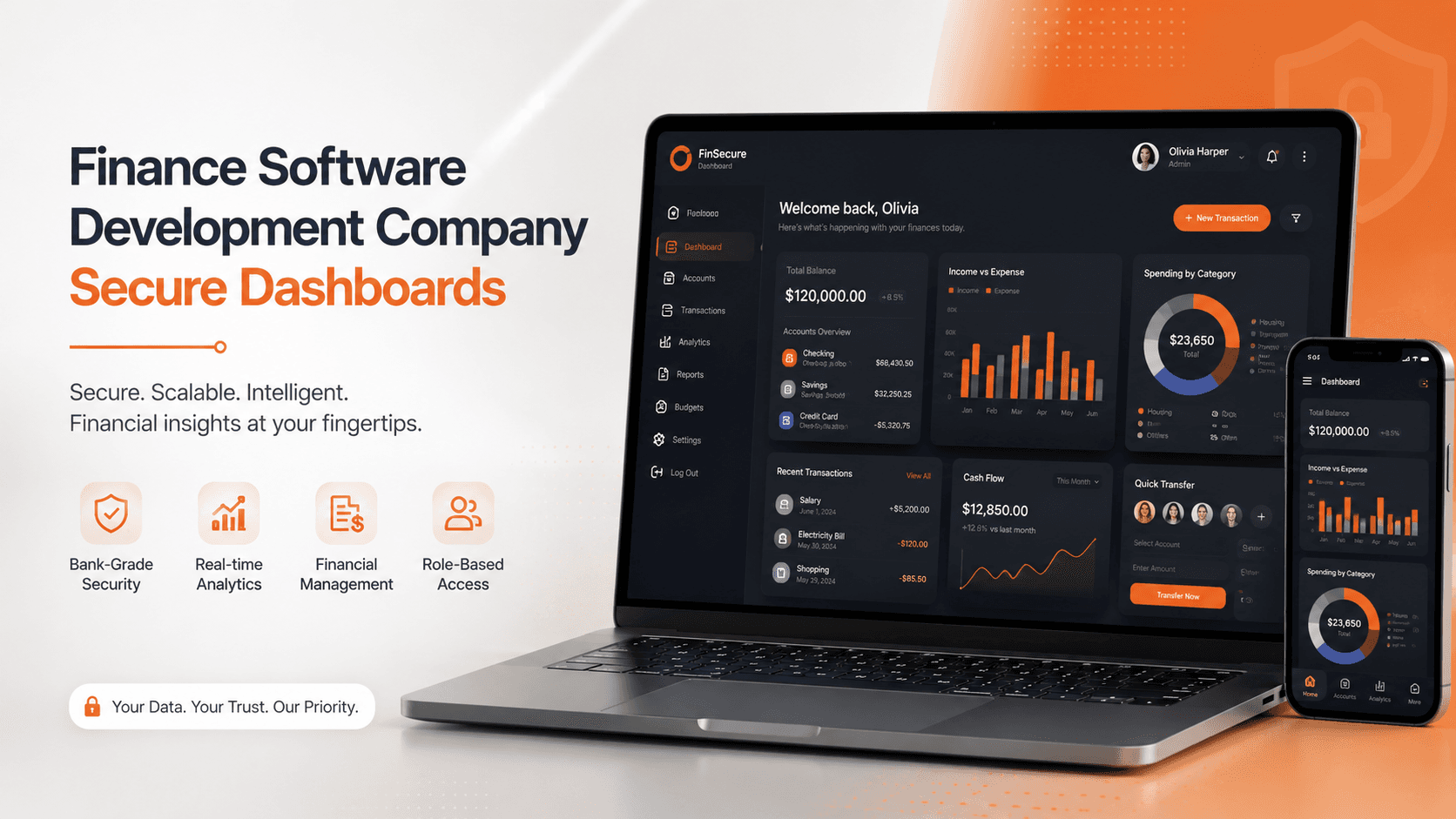
Insights
Finance and Accounting Software Development: Secure Dashboards, Reporting, and Client Workflows
Read More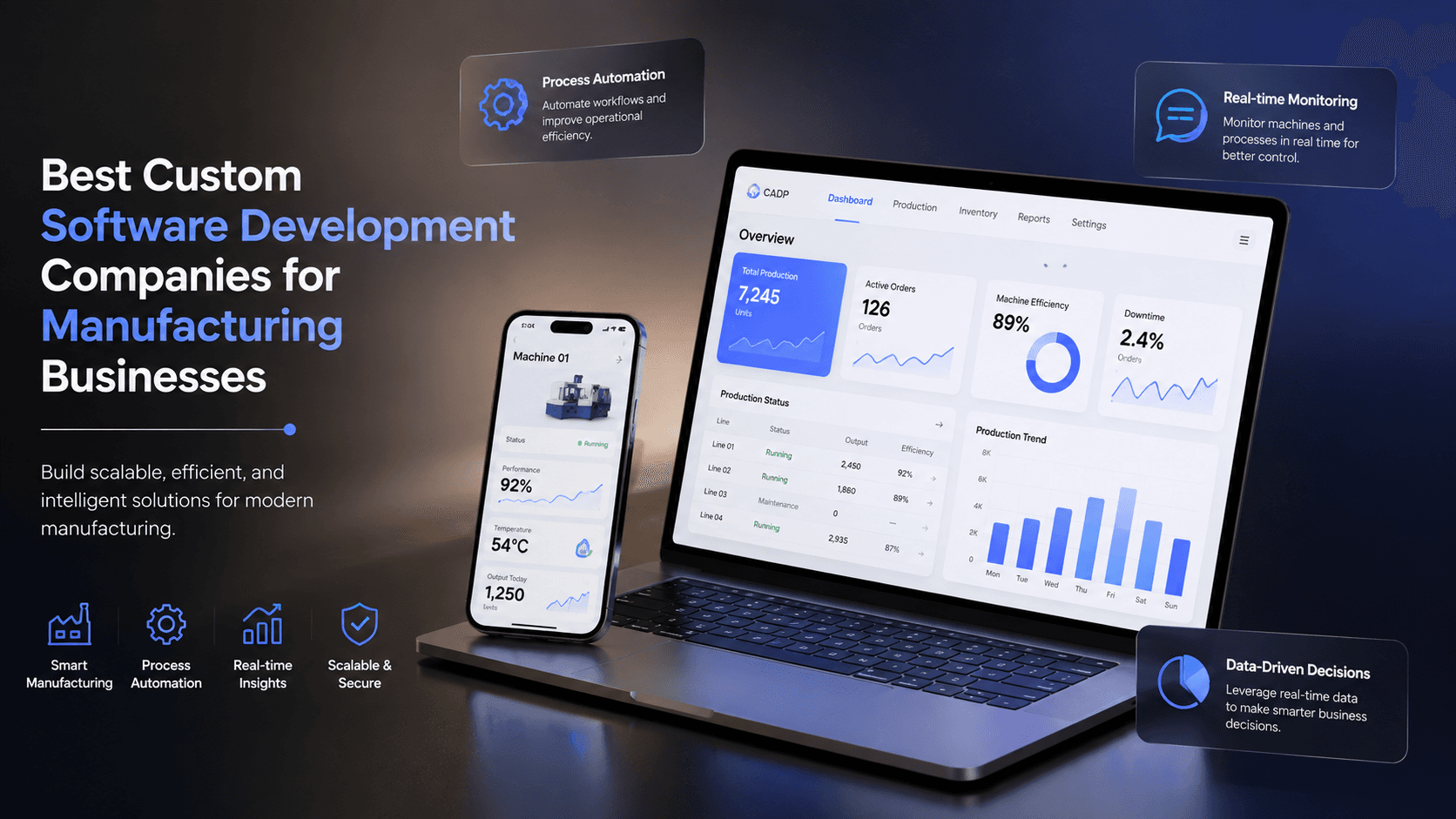
Insights
Best Custom Software Development Companies for Manufacturing Businesses
Read MoreNeed help applying this?
Our team can turn the ideas in this article into a clear plan and a polished build.
Contact Us