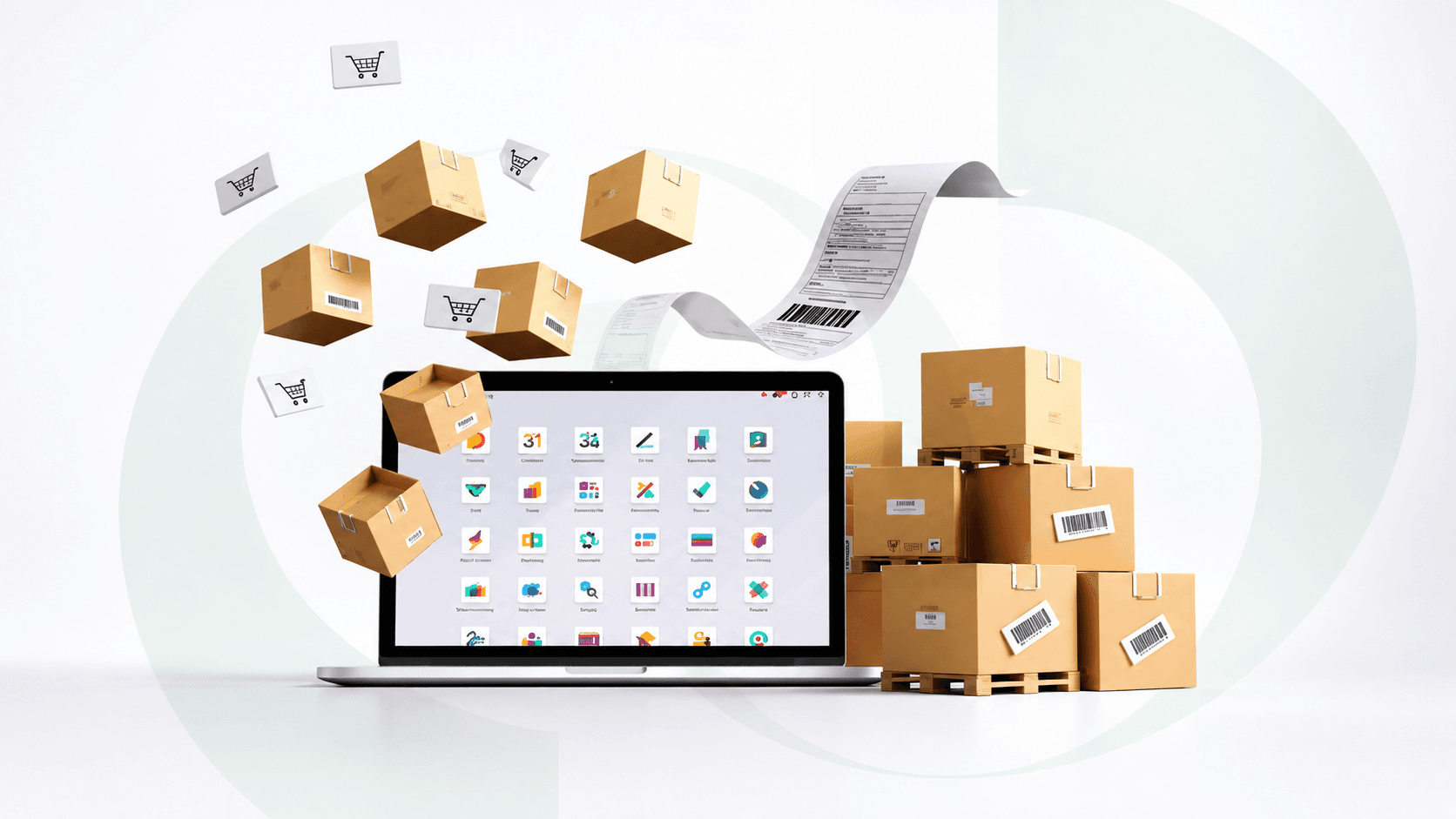
Selling across multiple channels - your own storefront, a marketplace or two, maybe a wholesale account - is a good growth problem to have, until it becomes an inventory nightmare. Each channel tracks stock independently, warehouses don't always sync in real time, and the business ends up either overselling products that already sold out elsewhere, or sitting on excess stock nobody noticed. This blog looks at what custom inventory and supply chain visibility software actually involves for e-commerce brands, and why multi-channel, multi-warehouse selling eventually requires more than what a generic platform handles well.
Why Multi-Channel Selling Breaks Generic Inventory Tools
Most e-commerce platforms handle inventory reasonably well for a single sales channel. The friction shows up specifically when a brand sells across several:
- Stock counts that don't sync in real time across channels, leading to overselling or false stockouts
- Separate inventory views for each warehouse or fulfillment location, with no unified real number
- Manual reconciliation required whenever a sale happens on one channel but needs to reflect everywhere else
- Limited visibility into which products are actually moving fastest across which specific channel
For a brand selling through a single storefront and warehouse, this is rarely a problem. Once a second channel or location enters the picture, the gaps tend to show up quickly.
What Inventory Visibility Software Actually Needs to Do
At its core, a proper inventory system for a growing e-commerce brand needs to maintain one accurate source of truth, typically including:
- Real-time stock synchronization across every sales channel and warehouse location
- Accurate allocation logic, so stock committed to one channel isn't double-sold on another
- Visibility into stock movement - what's selling, where, and how fast - not just a static count
- Automated low-stock and reorder alerts tied to actual demand patterns, not a generic threshold
Building Inventory Logic Around Your Actual Channel Mix
Through dedicated Custom Software Development, inventory software can be architected specifically around your brand's actual sales channels, warehouse structure, and fulfillment model, rather than adapted from a generic single-channel template. This typically includes:
- Real-time syncing logic tuned to how each specific channel's API actually reports sales and stock changes
- Multi-warehouse allocation rules reflecting your actual fulfillment strategy, including split shipments where relevant
- SKU and variant management that reflects your actual product structure, including bundles or kits that don't map cleanly to a single stock unit
- Custom reporting that shows the specific metrics your team actually needs, not a generic dashboard
Supply Chain Visibility Beyond Just Stock Counts
Inventory visibility extends beyond knowing what's on the shelf right now - growing brands increasingly need supply chain visibility further upstream, including:
- Purchase order tracking and expected inbound stock, so future availability is visible, not just current stock
- Supplier lead time tracking, informing more accurate reorder timing
- Visibility into stock in transit between warehouses or from manufacturers, not just stock already received
- Landed cost tracking that accounts for shipping and duties, not just unit purchase price
Where AI Adds Real Value to Inventory Management
Beyond basic tracking, AI Automation can meaningfully improve how a growing e-commerce brand manages stock, including:
- Demand forecasting that adjusts for seasonality, promotions, and channel-specific patterns
- Automated reorder recommendations based on actual lead times and current sell-through rate
- Anomaly detection flagging unusual stock movement that might indicate a sync error, theft, or fraud
- Smart allocation suggestions for which warehouse should fulfill a given order based on cost and speed
Integrating With Sales Channels and Fulfillment Partners
A meaningful part of building inventory visibility software is connecting it accurately to every channel and fulfillment partner a brand actually uses. Through API Integration, sales, stock, and fulfillment data can flow reliably between your inventory system, sales channels, and any third-party logistics partners, rather than requiring manual updates whenever something changes on one side.
Why Real-Time Matters More at E-commerce Speed
Unlike some operational data that's fine updated daily, inventory in a multi-channel e-commerce context often needs near-real-time accuracy, since a sale on one channel needs to be reflected everywhere else almost immediately to avoid overselling. Building this level of responsiveness properly requires solid underlying architecture, not just a periodic sync job running every few hours.
Mobile Access for Warehouse and Operations Teams
Warehouse staff and operations teams benefit from checking and updating stock without being tied to a fixed terminal. Through Mobile App Development, this can mean mobile scanning and stock updates directly from the warehouse floor, keeping the centralized inventory count accurate in near real time as physical stock actually moves.
Making the Case for Custom Inventory Software
Custom development tends to deliver the strongest value when:
- Your brand sells across multiple channels that don't sync inventory well together natively
- Overselling or stockouts have become a recurring, costly problem
- You're managing multiple warehouses or fulfillment partners that require manual reconciliation
- Generic platform inventory features don't reflect your actual product structure, like bundles or variants
For brands selling through a single channel and warehouse, existing platform-native inventory tools may remain entirely sufficient.
Related Services
- Custom Software Development - architecting inventory logic around your actual channel and warehouse structure
- AI Automation - wering demand forecasting, reorder recommendations, and anomaly detection
- API Integration - connecting inventory data across sales channels and fulfillment partners
- Mobile App Development - extending real-time stock updates to warehouse teams
Related Blogs
- Software Integration 101: Making Your Tools Work Together
- Custom Field Service Management Software Development
- Enterprise Software vs SaaS: Making the Right Choice for Scale
Frequently Asked Questions
Why does multi-channel selling create inventory problems that a single channel doesn't?
Each channel tends to track stock independently, so without real-time synchronization, a sale on one channel isn't immediately reflected on others, leading to overselling or inaccurate stock visibility.
How is supply chain visibility different from just tracking current inventory?
Supply chain visibility extends further upstream, including purchase orders, supplier lead times, and stock in transit, giving a fuller picture of future availability, not just what's currently on the shelf.
Can custom inventory software integrate with our existing sales channels and 3PL partners?
Yes, and this integration is often central to the value, keeping stock and fulfillment data synchronized across every channel and partner a brand actually uses.
How does AI improve inventory management for e-commerce brands specifically?
It can power more accurate demand forecasting, smarter reorder recommendations based on real lead times, and anomaly detection for unusual stock movement, using the brand's actual sales data.
Is custom inventory software only worth it for large e-commerce brands?
Not necessarily. It tends to make sense once a brand sells across multiple channels or warehouses and manual reconciliation or overselling has become a recurring, costly problem, regardless of overall size.
Struggling to Keep Inventory Accurate Across Channels?
If overselling, stockouts, or manual reconciliation between channels and warehouses has become a recurring headache, that's usually a sign your brand has outgrown generic inventory tools. Weboraz builds inventory and supply chain visibility software architected around your actual sales channels and fulfillment structure, connected in real time rather than reconciled manually. Contact Us to talk through what a system built for your brand's inventory would involve.
Frequently asked questions
Each channel tends to track stock independently, so without real-time synchronization, a sale on one channel isn't immediately reflected on others, leading to overselling or inaccurate stock visibility.
Supply chain visibility extends further upstream, including purchase orders, supplier lead times, and stock in transit, giving a fuller picture of future availability, not just what's currently on the shelf.
Yes, and this integration is often central to the value, keeping stock and fulfillment data synchronized across every channel and partner a brand actually uses.
It can power more accurate demand forecasting, smarter reorder recommendations based on real lead times, and anomaly detection for unusual stock movement, using the brand's actual sales data.
Not necessarily. It tends to make sense once a brand sells across multiple channels or warehouses and manual reconciliation or overselling has become a recurring, costly problem, regardless of overall size.
Related Articles


Need help applying this?
Our team can turn the ideas in this article into a clear plan and a polished build.
Contact Us